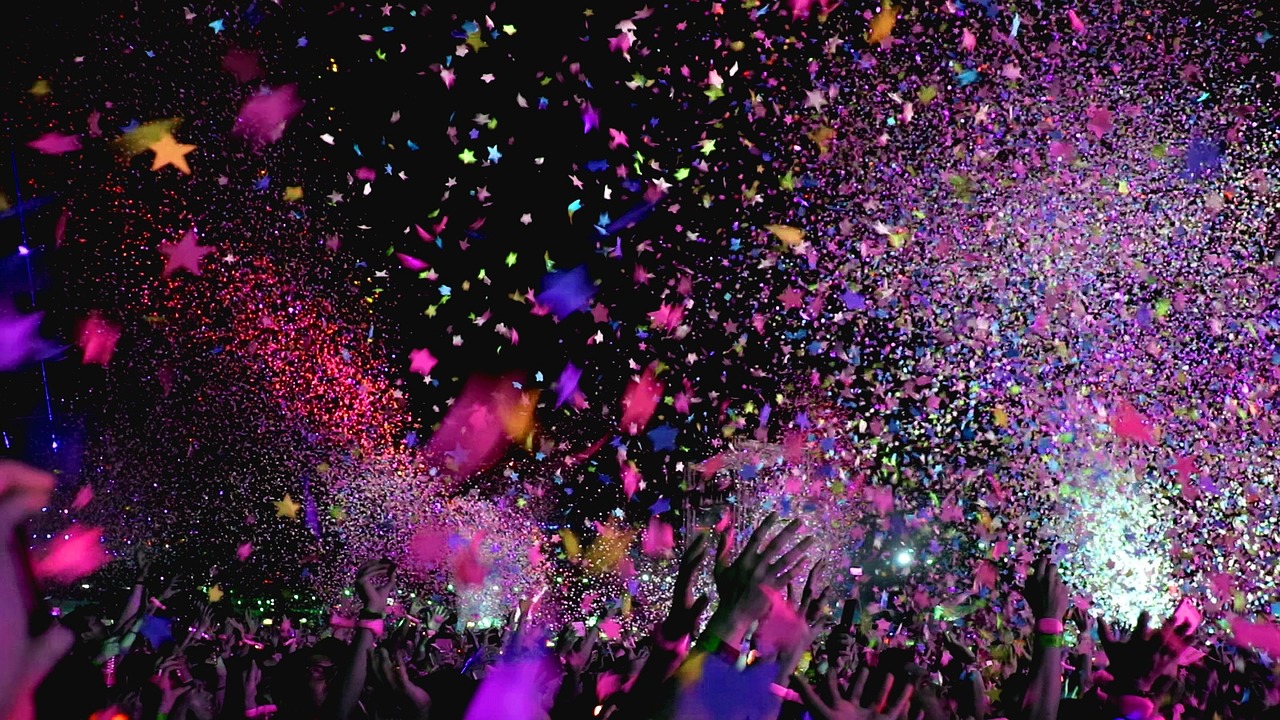
Facebook, with its vast user base and diverse features, offers event organizers and businesses an unparalleled tool for promoting fall festivals, holiday light displays, summer music concerts, winter wonderland markets, and spring art exhibitions. This article explores how to effectively leverage Facebook for event marketing, including best practices for creating engaging content, leveraging groups and events, and utilizing Facebook's robust advertising tools. By implementing these strategies, you can maximize reach, engagement, and ticket sales for your special occasions.
Using Facebook for Event Promotion: A Comprehensive Guide
I. Understanding Facebook's Power for Event Marketing
Facebook has evolved far beyond a social networking platform; it's become a dynamic space for event promotion, community building, and audience engagement. With over 2.9 billion monthly active users worldwide, facebook offers unparalleled reach for organizers of various events, from small-scale art exhibitions to large-scale winter wonderland markets.
Key Features for Event Promotion:
- Event Pages: Create dedicated pages for your event, complete with details like date, location, and description. This serves as a central hub for attendees to find information and share their experiences.
- Groups: Establish or join groups centered around specific interests or events. These groups can be used for promotion, discussions, and building anticipation.
- Targeted Advertising: Utilize Facebook Ads Manager to create targeted campaigns based on demographics, interests, and behaviors, ensuring your event reaches the right audience.
- Interactive Content: Share captivating photos, videos, and live streams to engage users and showcase past events or upcoming highlights.
II. Crafting Effective Event Promotion Campaigns
Successful event promotion on Facebook hinges on creating compelling content that resonates with your target audience. Here's a breakdown of essential components:
A. Creating Engaging Event Pages
- Detailed Information: Provide comprehensive details about the event, including dates, times, locations, and ticket pricing. Use clear and concise language to make it easy for users to understand what they can expect.
- Visual Appeal: Incorporate high-quality images and videos showcasing previous events or highlighting key attractions. Visual content grabs attention and builds excitement.
- Regular Updates: Keep the event page active by sharing regular updates, such as new performers, artists, or exhibitors confirmed for the event.
- Interactive Elements: Encourage user engagement with polls, quizzes, or Q&A sessions related to the event. This fosters a sense of community and involvement.
B. Leveraging Facebook Groups
- Group Creation: Establish a Facebook Group dedicated to your event, inviting attendees to join and participate in discussions.
- Community Building: Use the group to create a sense of belonging and excitement around the event. Share behind-the-scenes content, early access to ticket sales, or exclusive discounts for group members.
- Moderation: Ensure active moderation to maintain a positive environment. Respond promptly to comments, address concerns, and encourage respectful conversations.
C. Targeted Advertising Strategies
- Demographics: Target specific age groups, genders, locations, and interests relevant to your event's audience.
- Behavioral Targeting: Reach users who have previously engaged with similar events or pages. This strategy can increase interest and conversions.
- Custom Audiences: Create custom audiences based on email lists, website visitors, or existing customers to ensure your ads reach the right people.
- A/B Testing: Experiment with different ad creatives, copy, and call-to-actions to optimize performance and maximize return on investment (ROI).
D. Types of Content for Engagement
- Photos: Share high-quality images from past events or showcase key attractions, performers, or exhibits. Photo albums allow users to relive experiences and share memories.
- Videos: Create short, engaging videos highlighting event highlights, performer interviews, or behind-the-scenes content. Live streams can build anticipation and drive ticket sales.
- Stories: Utilize Facebook Stories for real-time updates, quick teasers, or interactive polls. Stories have high engagement rates and disappear after 24 hours, creating a sense of urgency.
- Text Updates: Write engaging captions that accompany images and videos, providing context and sparking conversation.
III. Event Promotion Throughout the Year
Facebook's power extends beyond just event day. Strategic promotion throughout the year can create buzz, build anticipation, and drive ticket sales for events like:
- Fall Festivals: Promote local food, music, and art festivals with behind-the-scenes content, vendor spotlights, and early bird ticket offers.
- Holiday Light Displays: Build excitement with time-lapse videos, live streams of the display, and user-generated content showcasing previous years' events.
- Summer Music Concerts: Share performer updates, exclusive interviews, and sneak peeks at stage designs to capture the energy of the event.
- Winter Wonderland Markets: Create a sense of magic with festive photos, vendor spotlights, and interactive polls asking users to vote on their favorite holiday treats or decorations.
- Spring Art Exhibitions: Tease new artists, showcase previous exhibitions, and engage art enthusiasts through Q&A sessions with featured artists.
IV. Measuring Success and Optimizing Campaigns
Evaluating the success of your Facebook event promotion campaigns is crucial for continuous improvement. Here's what to track:
- Page Insights: Analyze reach, engagement rate, post interactions, and follower growth to understand what content resonates most with your audience.
- Ticket Sales: Monitor ticket sales through the event page or external ticketing platforms to assess the effectiveness of promotional campaigns.
- Conversion Rates: Track how many users who interact with your posts on Facebook ultimately purchase tickets. This provides valuable insights into the effectiveness of your marketing strategies.
- A/B Testing Results: Compare performance between different ad creatives, copy, and targeting options to optimize future campaigns.
V. Frequently Asked Questions (FAQs)
Q: How do I create an effective Facebook event page?
A: Start by providing detailed event information, high-quality visuals, and regular updates. Engage users through interactive elements like polls or Q&A sessions. Ensure the page is easily discoverable by making it public and using relevant hashtags.
Q: What are some best practices for using Facebook Groups for event promotion?
A: Create a dedicated group for your event, invite attendees, and foster a sense of community. Share behind-the-scenes content, exclusive discounts, and host Q&A sessions to build anticipation and engagement. Actively moderate the group to maintain a positive environment.
Q: How can I target the right audience for my event using Facebook Ads?
A: Utilize Facebook's detailed targeting options, including demographics, interests, behaviors, and custom audiences. A/B test different ad creatives and copy to optimize performance and reach your ideal audience effectively.
Q: What types of content are most effective for engaging users on Facebook?
A: A mix of high-quality photos, videos, stories, and text updates works best. Share behind-the-scenes content, event highlights, performer interviews, and interactive elements to keep users engaged throughout the year.
Q: How often should I post on Facebook for optimal engagement?
A: Consistency is key. Aim to post regularly, at least a few times per week, but avoid overwhelming users with too many posts. Quality over quantity ensures your content stays engaging and relevant.
Conclusion
Facebook offers immense potential for event organizers and businesses looking to promote fall festivals, holiday light displays, summer music concerts, winter wonderland markets, and spring art exhibitions. By leveraging its diverse features, crafting compelling content, and implementing targeted advertising strategies, you can maximize reach, engagement, and ticket sales. Remember to monitor campaign performance, adapt your strategies based on insights, and continue to innovate for the best results. Happy promoting!